
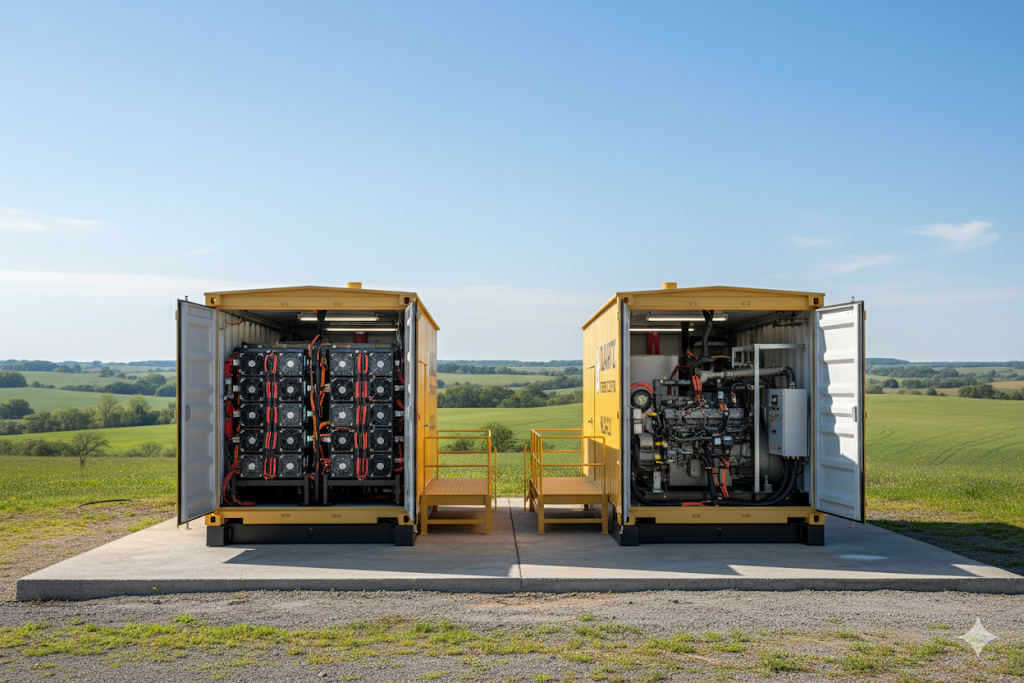
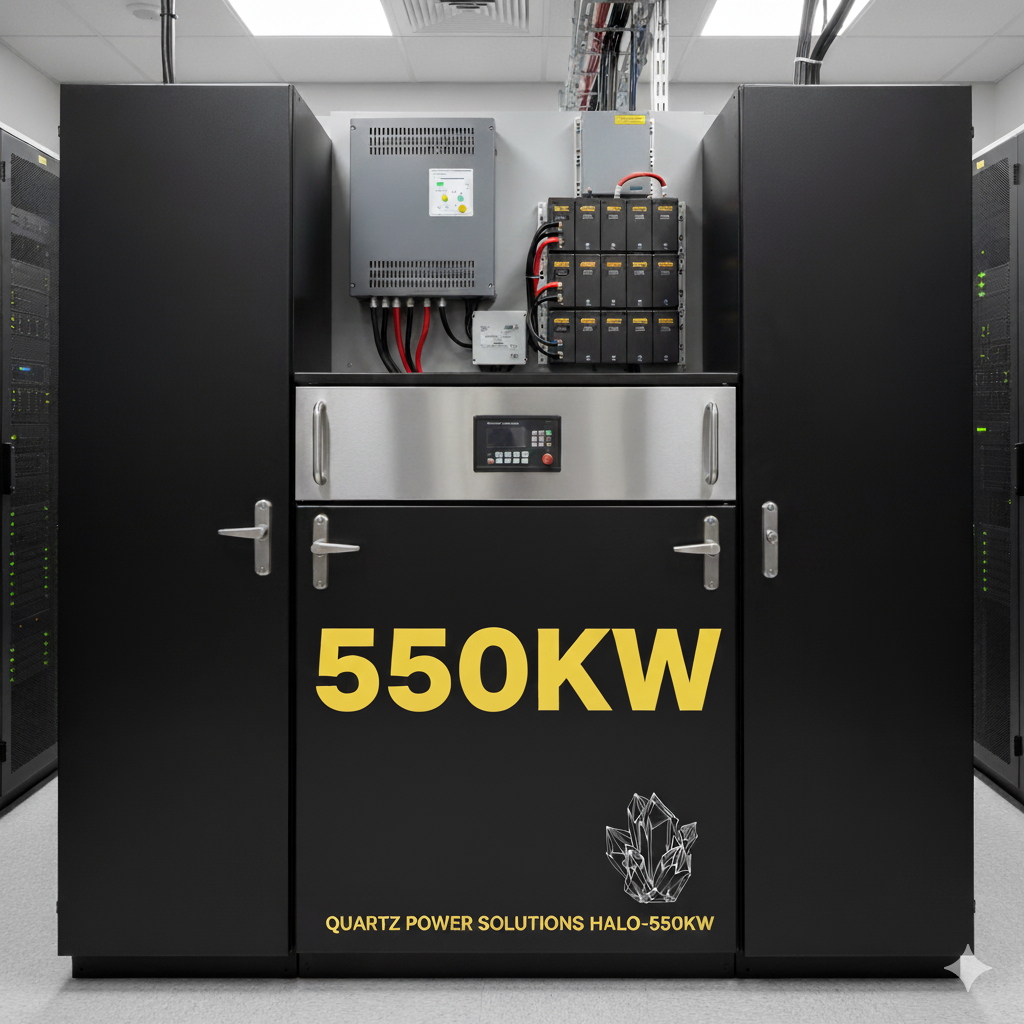
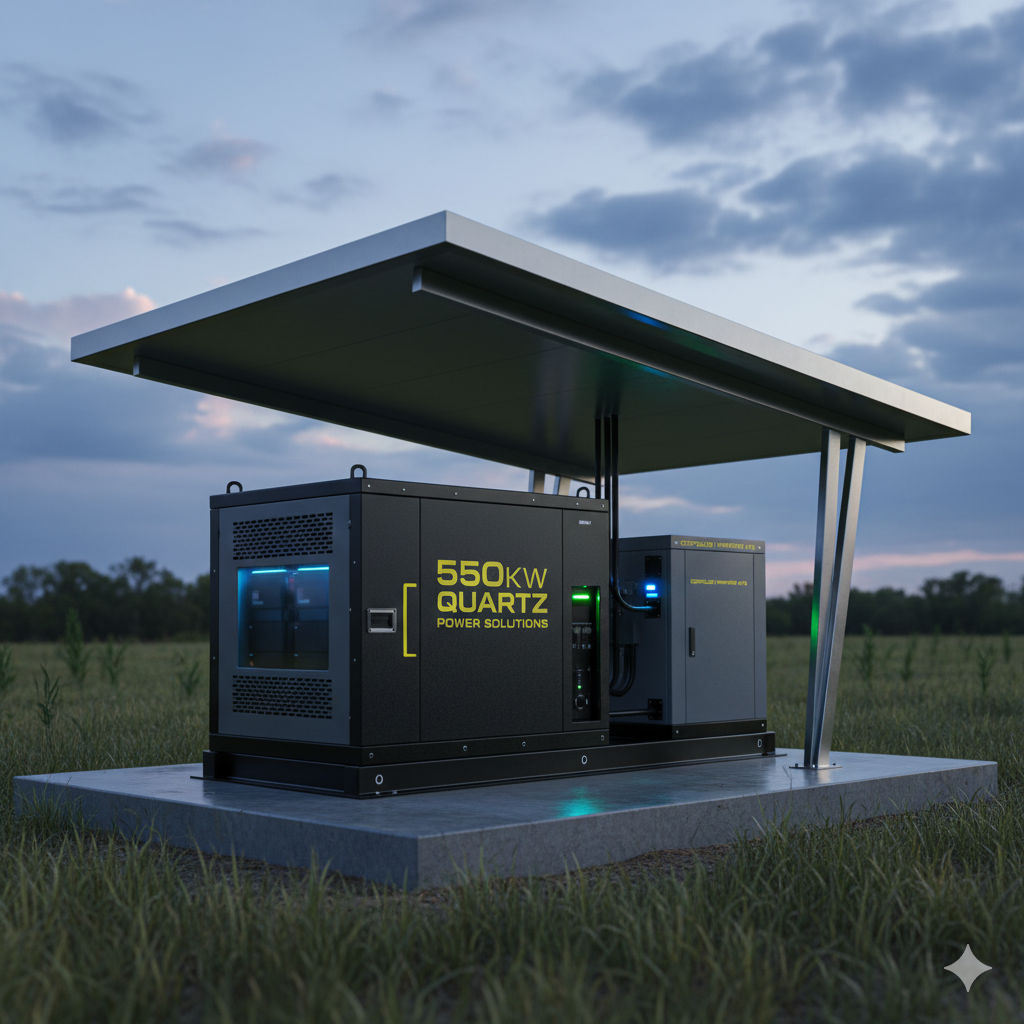
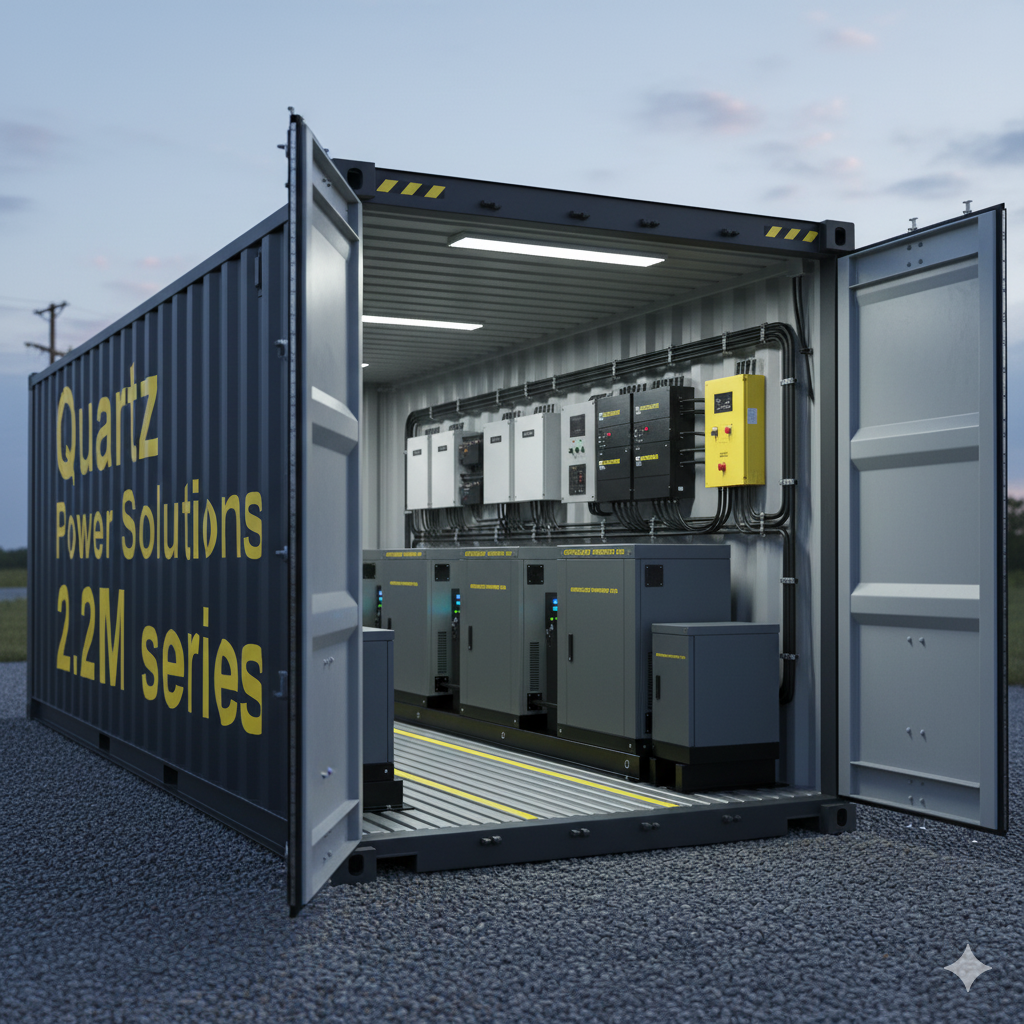
Businesses and organizations across diverse sectors stand to gain significant advantages from adopting self-powered steel frame structures. These innovative structures integrate sustainable energy solutions directly into their design, offering autonomy from traditional power grids and enhancing operational resilience. Below is an overview of industries and use cases where such structures can make a transformative impact:

- Government Entities
Government bodies, including municipalities and agencies, can deploy self-powered steel frame structures to support disaster relief efforts, establish remote operational bases, and develop off-grid infrastructure projects. These structures ensure continuity of essential services even in power-compromised scenarios. - Military Organizations
Military bases, remote outposts, and deployment sites often face challenges in securing reliable power. Self-powered structures provide autonomous energy supply critical for communications, security systems, and daily operations in isolated or hostile environments. - Indoor Farming Industry
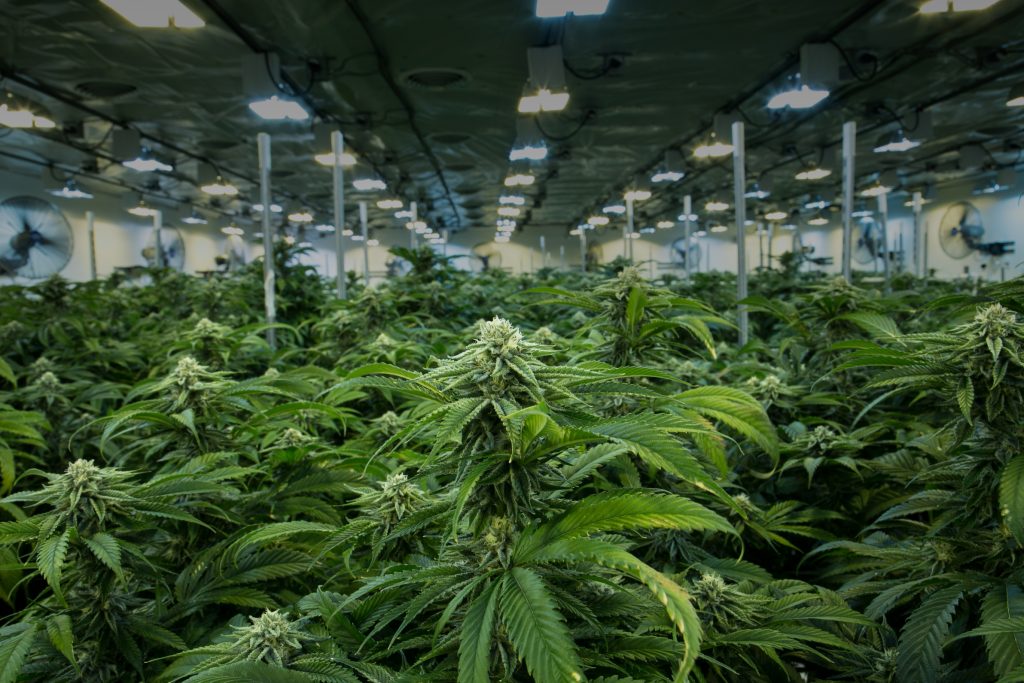
Vertical farms, hydroponic setups, and controlled environment agriculture require stable power to maintain optimal growing conditions. Self-powered structures reduce dependence on external electricity sources, promoting sustainability and lowering operational costs while supporting year-round food production. - Cryptocurrency Mining Operations
Given the high energy demands of mining rigs, integrating self-powered steel frames offers a sustainable and cost-effective solution. These structures can harness renewable energy to power mining activities, reducing environmental impact and improving economic viability. - Remote Real Estate Islets
Small islands and secluded locations lacking grid access can benefit from these structures for residential or commercial development. The self-sufficiency of the design supports comfortable living and business operations without the need for costly infrastructure extensions. - Offices and Business Facilities
Businesses seeking to reduce operating costs and environmental footprints can utilize self-powered steel frame structures as energy-efficient office spaces. This approach enhances energy security and supports corporate sustainability goals. - Commercial Structures
Shopping centers, warehouses, and entertainment venues require uninterrupted power for customer satisfaction and operational continuity. Self-powered structures provide reliable, green energy solutions that help maintain services during grid outages and reduce carbon emissions. - Residential Housing
Homeowners in areas prone to blackouts or those pursuing sustainable lifestyles can adopt self-powered structures as alternative energy sources. This enhances energy independence, lowers utility costs, and supports eco-friendly living. - Science Industry
Remote research stations, laboratories, and field facilities depend on consistent power for sensitive equipment and experiments. Self-powered steel frames ensure uninterrupted energy supply, facilitating scientific advancements in challenging locations. - Healthcare Industry
Medical facilities, especially in remote or underserved regions, require reliable power for critical equipment and patient care. Self-powered structures guarantee continuous operation, improving healthcare delivery and emergency response capabilities. - Research Institutions
Scientific research centers benefit from stable, sustainable power to support data-intensive experiments and laboratory functions. These structures enable uninterrupted research activities in both urban and remote settings. - Educational Institutions
Schools, colleges, and universities can leverage self-powered buildings to provide reliable energy for classrooms, labs, and administrative areas, fostering sustainable campuses and reducing energy expenses. - Eco-Resorts and Remote Tourism
Off-grid resorts and eco-lodges in secluded environments can use self-powered structures to offer guests sustainable accommodations with minimal environmental impact, enhancing the appeal of eco-tourism. - Disaster Relief Organizations
NGOs and emergency response teams need rapidly deployable, self-sufficient shelters and command centers in disaster zones. Self-powered structures deliver essential power and facilities to support relief operations effectively. - Construction Industry
Temporary offices, worker housing, and on-site facilities in remote construction sites benefit from energy independence provided by these structures, improving operational efficiency and worker comfort. - Telecommunications Companies
Telecom providers can power remote cell towers, data centers, and communication hubs without reliance on unstable grid connections, ensuring consistent network uptime. - Mining and Exploration Companies
Remote mining operations require reliable energy for machinery and infrastructure. Self-powered steel frame structures offer off-grid solutions that enhance productivity and reduce logistical challenges. - Sustainable Development Projects
Organizations focused on green infrastructure and eco-friendly initiatives can use these structures as exemplars of sustainable design and renewable energy integration, promoting environmental stewardship.
In summary, sovereign self-powered steel frame structures offer versatile and robust solutions tailored to meet the specific demands of various industries. By emphasizing their unique benefits—such as energy autonomy, sustainability, cost savings, and operational resilience—businesses and institutions can harness these structures to enhance efficiency, reduce environmental impact, and thrive in both conventional and challenging environments. Tailored marketing that addresses the distinct needs of each sector will maximize adoption and demonstrate the transformative potential of this innovative technology.


